The trip to Robbinsville, New Jersey brought together architectural design, volunteerism, and cultural appreciation in one visit.
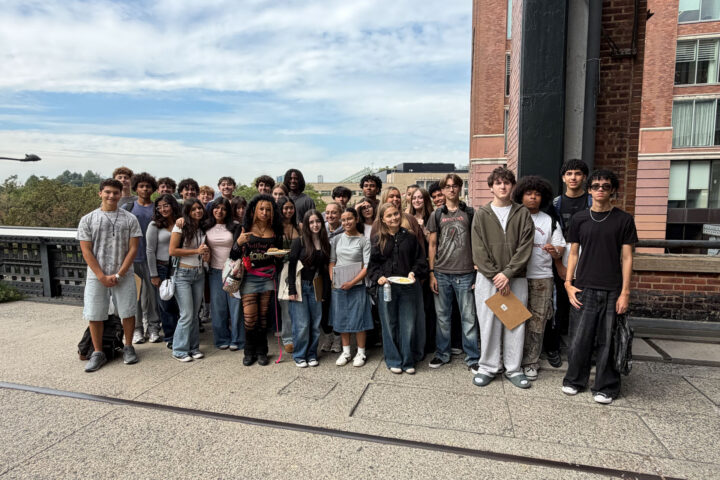
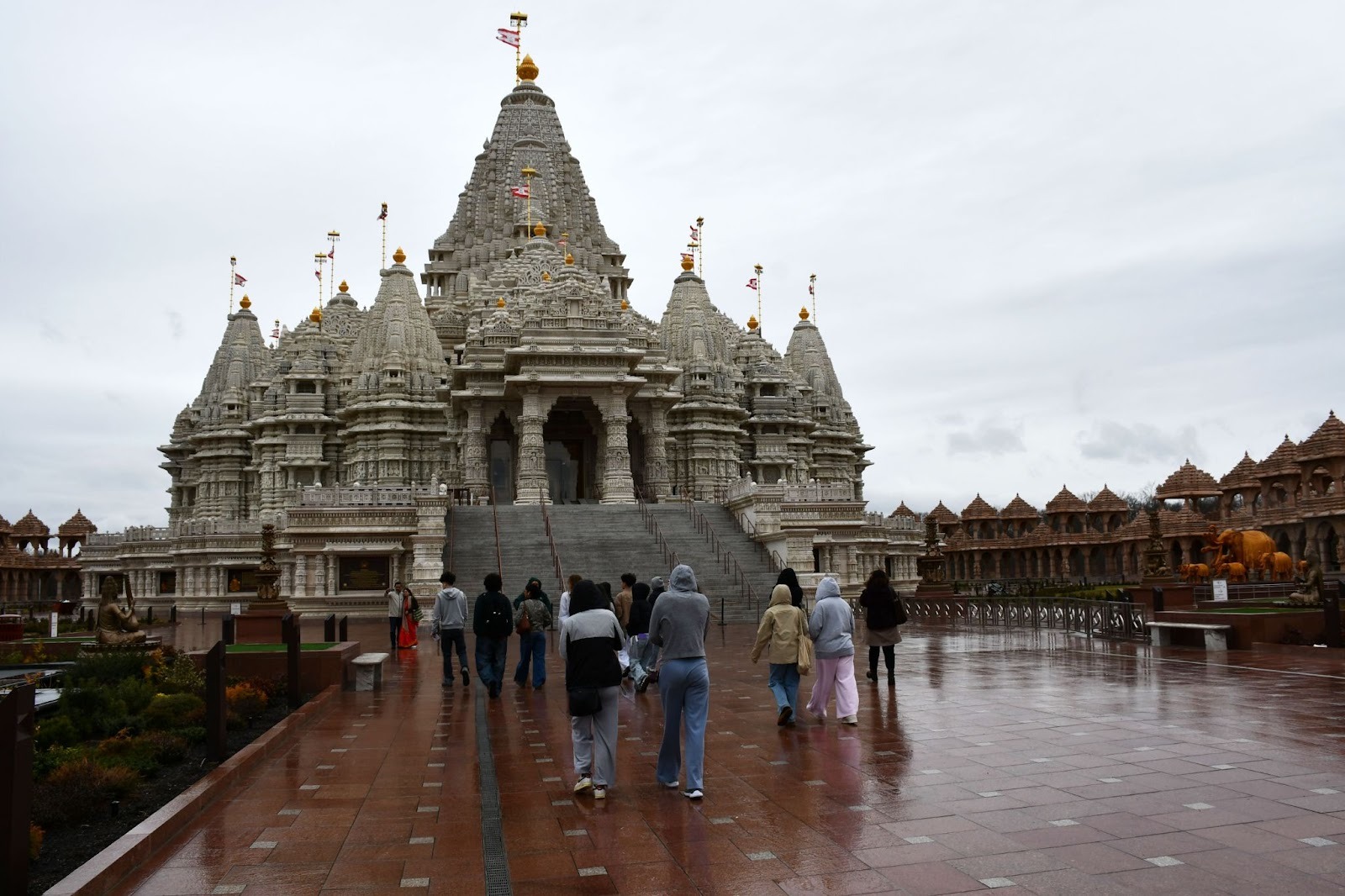
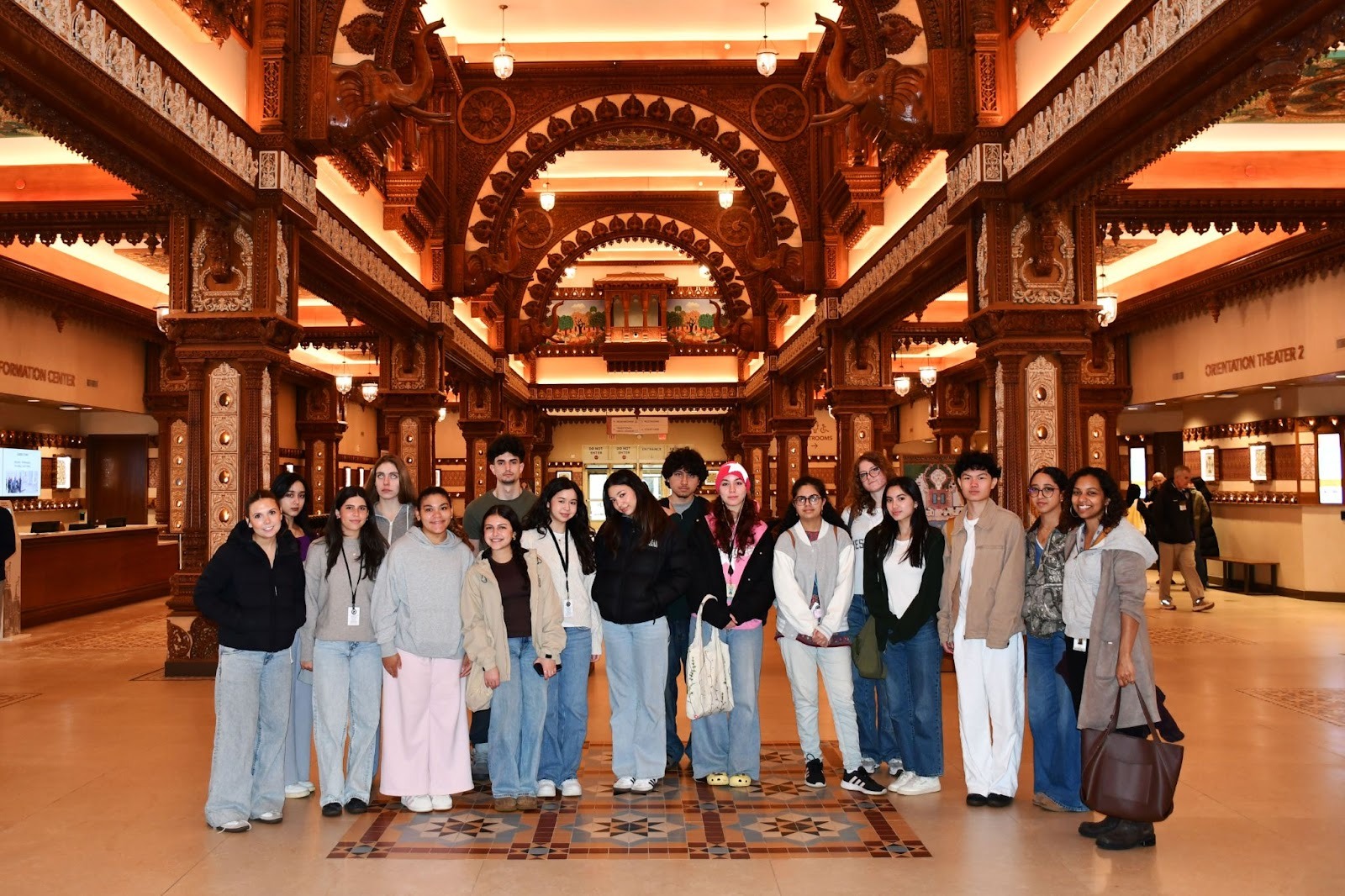
On March 12, 2026, seniors in High Tech High School's architecture major wrapped up their D|Fab Case Study Project with a field trip to the BAPS Swaminarayan Akshardham Hindu Temple in Robbinsville, New Jersey. The visit was organized in part by Yashika Rathore, a senior architecture student and intern for Ms. Batista — a fitting touch, given that she helped shape a learning experience for her own classmates.
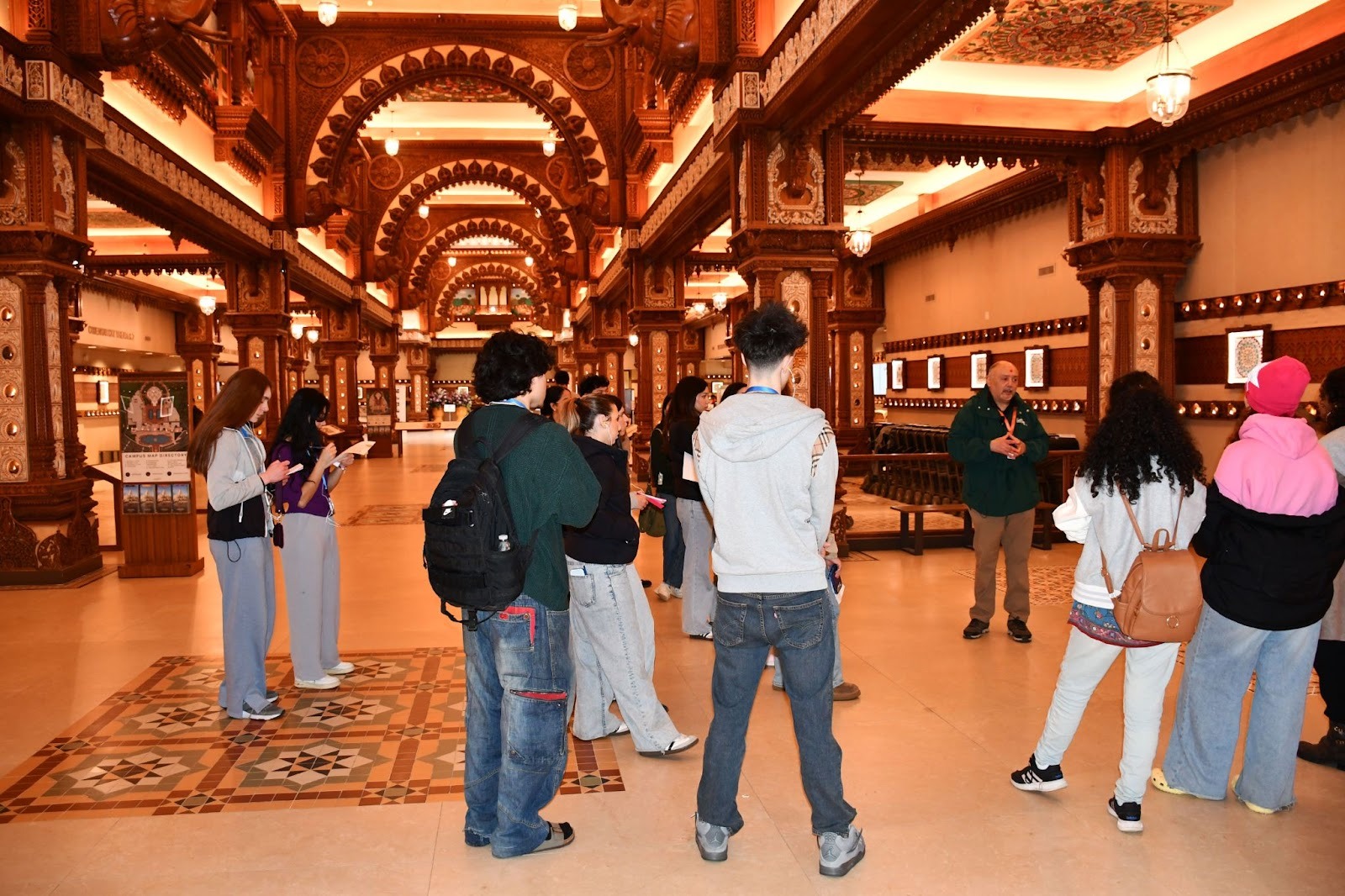
From the moment students arrived, the temple felt welcoming. The space is designed to be as much a place to learn about Hindu religion and culture as it is a place of worship, and that intention comes through clearly. Students also watched a series of short films about the religion, the culture, and how the complex was conceived and built — largely by over 12,000 volunteers. For students studying architecture as a professional practice, seeing a project of this scale driven by community service offered a perspective no classroom exercise could replicate.
The architecture itself gave students plenty to observe. "The temple is an impressive example of traditional Hindu architecture, which is why it differs significantly from other architectural styles around the world," said Rathore. Walking through the space, students could examine the intricate wood carvings and detailed stonework up close and see how traditional Hindu architectural principles shape not just a building's appearance, but its entire spatial experience.
For Rathore, the visit also carried a personal connection. She learned that much of the stone used in the temple's construction was sourced from Rajasthan — the state in India where she is from.
"Experiencing the space in person enabled us to better understand how artistry, spirituality, and structural design converge to create a meaningful architectural environment." — Yashika Rathore, Senior Architecture Student
The trip was a natural close to the project — connecting what students have been studying to something genuinely new, and giving them a reason to think differently about what architecture can be.